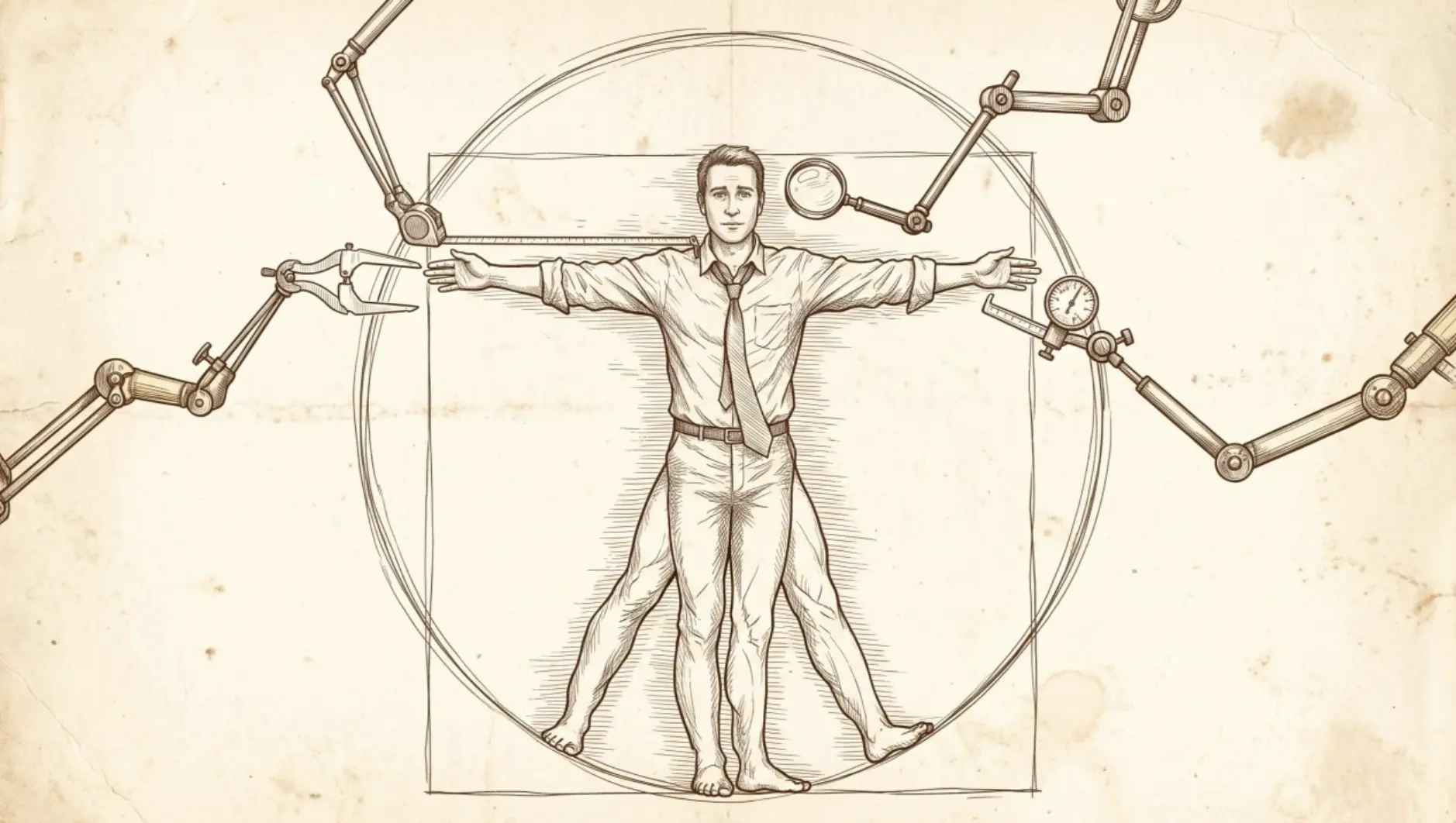

Leonardo da Vinci dissected about 30 bodies, most of them at the hospital of Santa Maria Nuova in Florence.
The best documented was an old man who said he was more than a hundred and died sitting on his bed there, around 1507. Leonardo opened him up "to see the cause of so sweet a death". If you want to know how a body works, you have to look inside one.
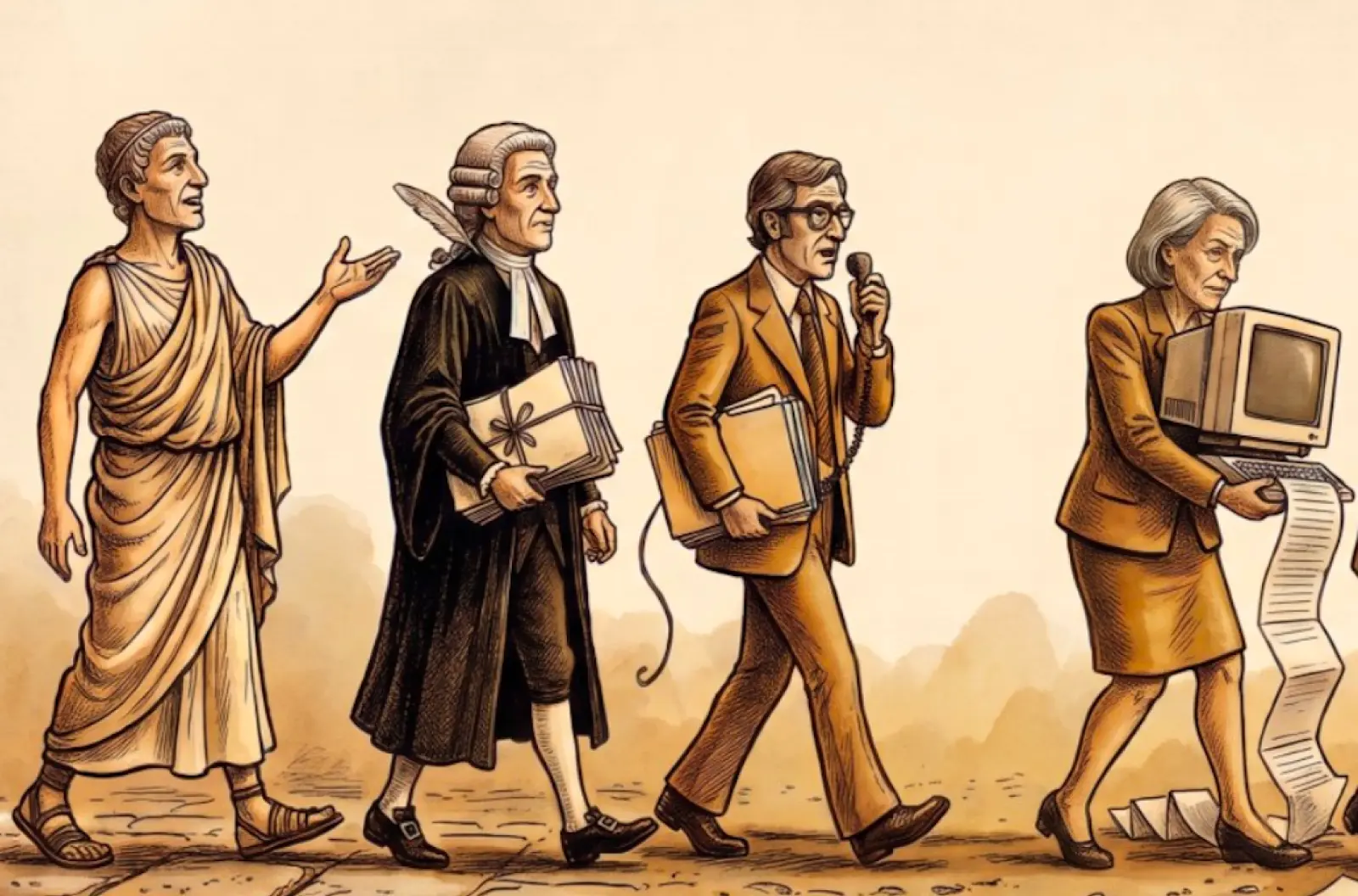
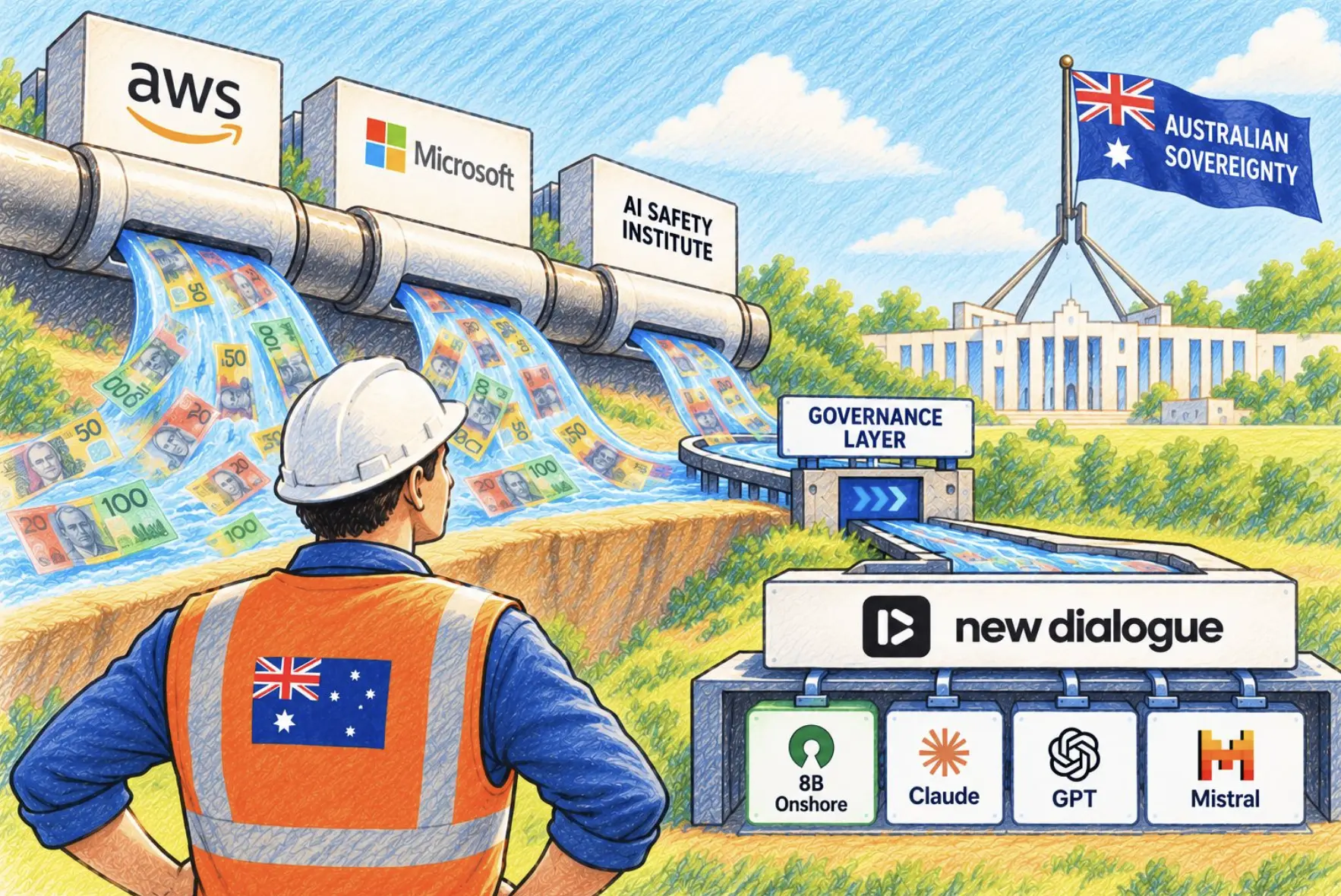
The AI labs have reached the same point with work. Their models have read the public internet. To build AI that can actually do a job, they need to see how jobs really get done: the problem, the emails about it, the fix and what happened next. So they're opening it up. They pay experts to perform the work, buy the archives of dead companies and license the records of living ones. Many organisations are handing theirs over for nothing.
The dead
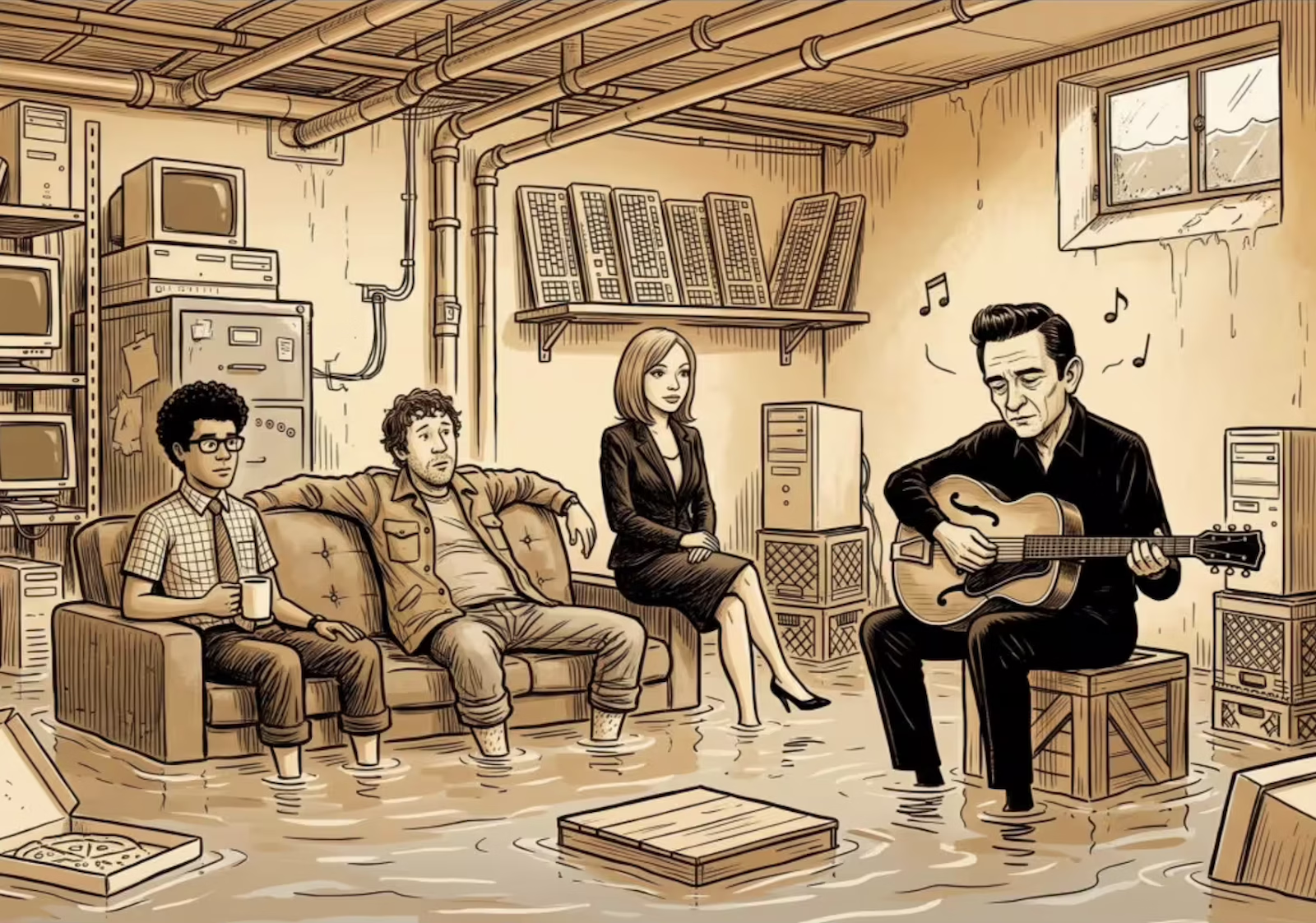
Spirit Airlines, an American budget carrier, stopped flying this year after two trips through bankruptcy. In August, Google won an auction for its records with a bid of US$10 million: about 100 million emails, its Teams chats and files, some 30 million lines of code, crew and operations data, contracts and staff records. Customer data is excluded. Google has told the court's privacy ombudsman the data will be used to train AI models, and an AI data company, micro1, has since offered US$12.5 million.
Spirit isn't alone. Forbes reported in April that SimpleClosure, a firm that winds down failed startups, had sold nearly 100 of their Slack, email and file archives in a year, mostly for US$10,000 to US$100,000 each.
If people are seeing value in seemingly worthless data, what is it that they know that others don't? Handshake, which buys these records, says it plainly: earlier models were trained on what could be gathered from the web, and the next frontier is understanding "how businesses actually operate". That isn't on the web. It only exists inside organisations.
The living
It isn't only the dead. Handshake says its deals with living companies typically range from "$100K to $4M", and micro1 advertises (you've probably seen them on Instagram) from "$100k+" to "$1M+". Mercor, the other bidder for Spirit's records, says it has nearly five million experts on its books, paid to show models how they do their jobs. Last year an app called Neon paid people up to 30 cents a minute to record their phone calls for AI firms, until a security flaw exposed everyone's recordings. It's the poor student who takes $50 to trial a new drug.
Meta has gone further, with its own staff. In April it began installing software on its US employees' computers that records their mouse movements, clicks and keystrokes to train its models. "This is where all Meta employees can help our models get better simply by doing their daily work," the memo said.
The madness is that many of us are already supplying this, by not valuing our data and using frontier tools without thinking about where it goes. Enterprise contracts with the big AI vendors generally rule out training on your data. The leak is everywhere else: staff pasting work into free tools on personal accounts, and software terms nobody reads. And a company may consent to a deal, but the people whose work fills the archive are rarely asked. Spirit's unions are still objecting.
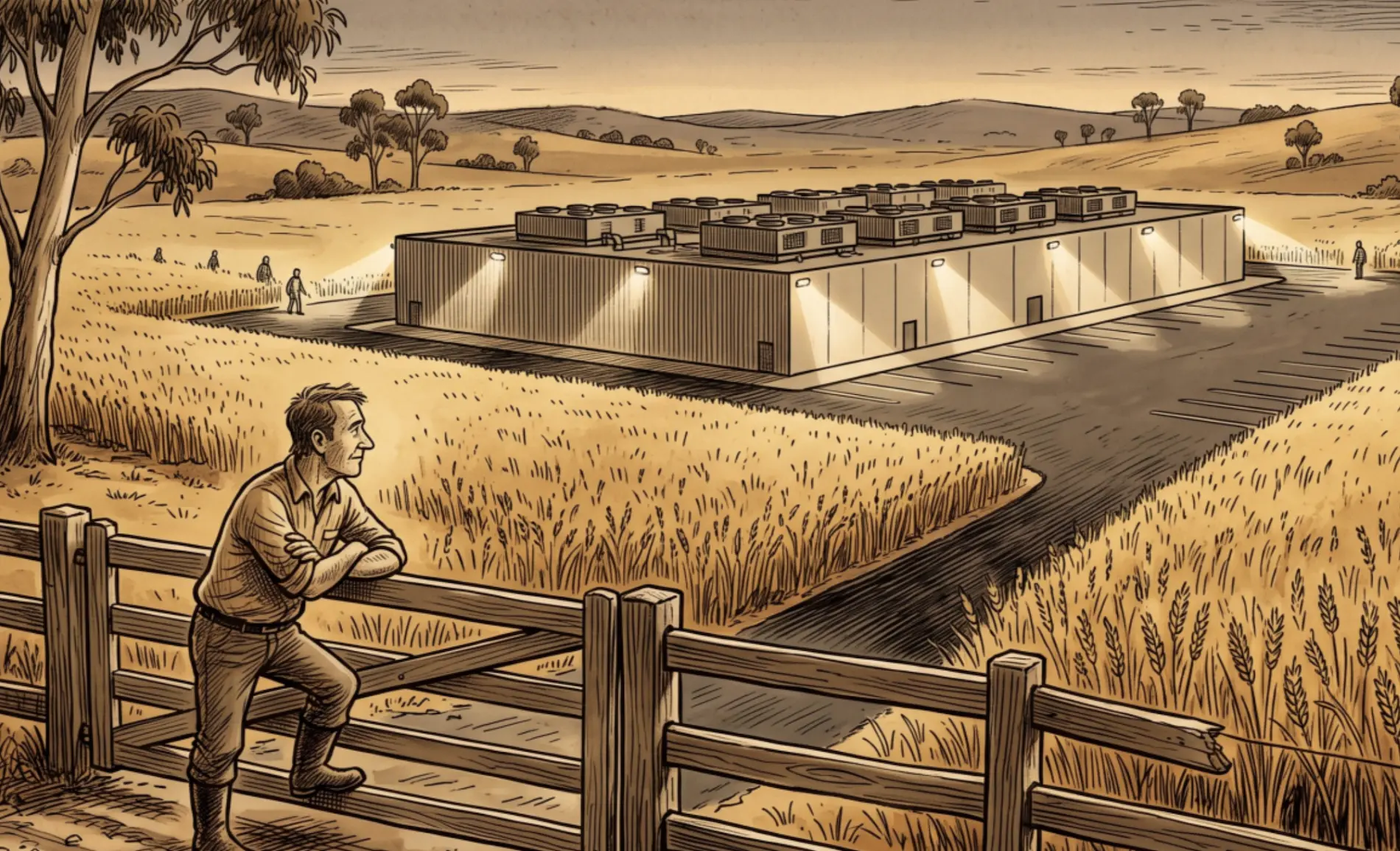
The rules haven't caught up. Meta told a Senate committee in 2024 that it had trained on Australian adults' public posts back to 2007, and that Australians had no opt-out because, unlike in Europe, no law required one. The next round of privacy reform is still an exposure draft. This week Parliament's AI committee told the Prime Minister that Australian creators' work is "used overseas without adequate control or payment", while the labs say copyright is a barrier to training here. Capital Brief reports they want the law changed before they commit billions to data centres.
Within you
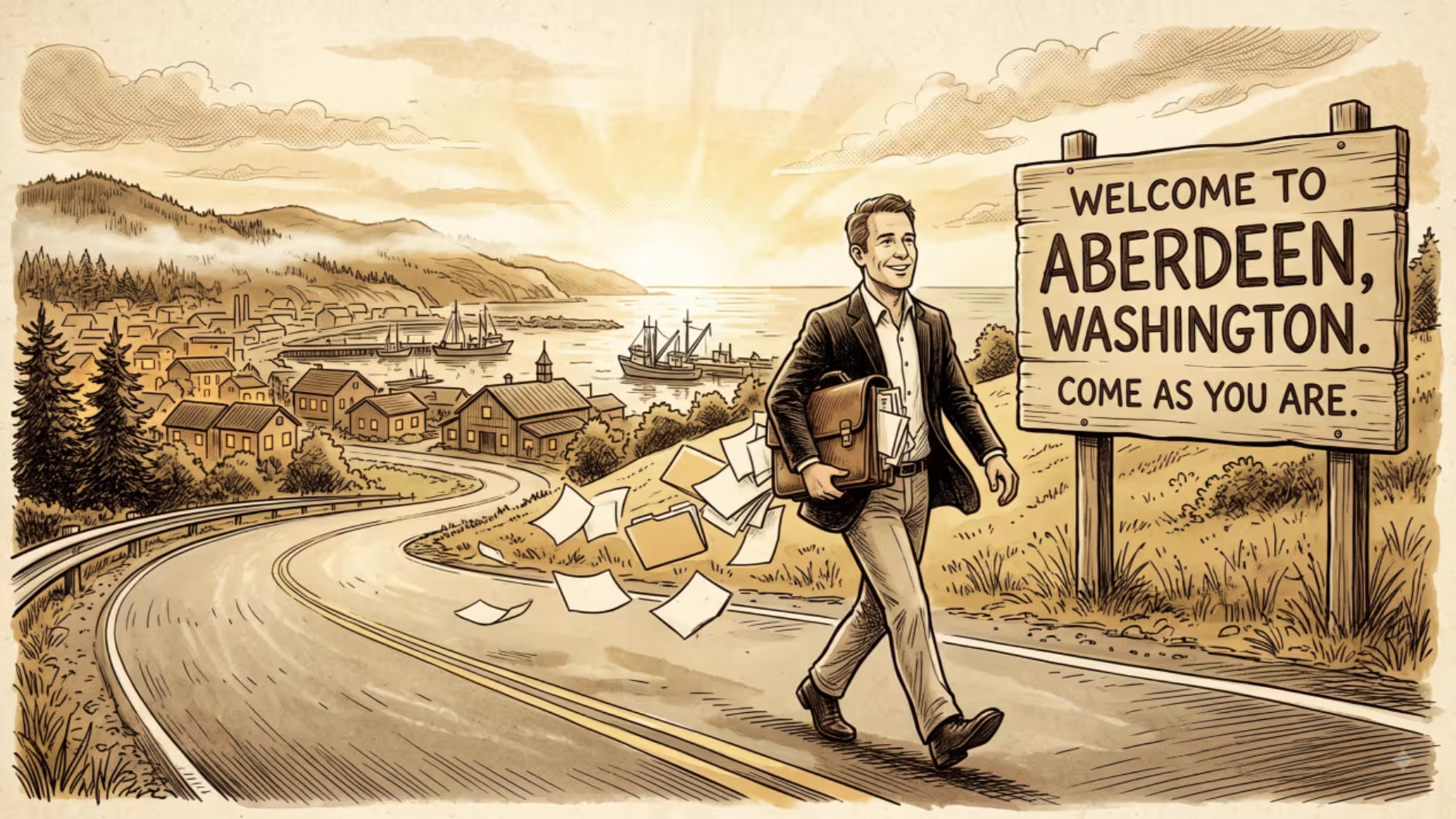
Spirit is a failed business whose data is on the market. For everyone else, the lesson should be that the answer is within you. Stop trying to understand how to make money out of infrastructure. The worst job at the moment is to be an investor. The best position to be in is to have a business where you're adding value to customers, and you are about to be freed of constraints that have bound you from delighting your customers beyond their wildest dreams. You just need to leverage the technology to do it, consciously, judiciously, and without dependence on the frontier.
Coinbase shows how. Its chief executive, Brian Armstrong, says the company fine-tuned a small open model on its own data, and it beat the frontier models at fraud prevention, more cheaply and faster.
Licensing your records can be rational if you're winding down, if the data isn't core or if the terms aren't exclusive. Just know what the cheque is for: teaching someone else's agent your trade. The record of how your organisation works is worth most to the business that made it, while it's still alive. Value it, govern it and use it.
The court hearing on the Spirit sale has been pushed back to 6 November, after more than 100 members of the US Congress asked Google and Spirit to hold off.
One more thing
When Enron collapsed in 2001, federal investigators took more than 600,000 emails from 158 of its employees off the company's servers. A computer scientist, Andrew McCallum, bought a copy for US$10,000 and gave it to researchers.
It is part of The Pile, one of the first big open datasets for training language models.
Author: Matt Vitale